



Buying a metal 3D printer is not limited to choosing a machine with high technical specifications. The type of parts you intend to produce, the material, part dimensions, production volume, and final application all affect the choice of machine.
Therefore, if you are planning to make a purchase, it is better to determine your actual needs before reviewing models and prices. A machine may be suitable for producing small and complex parts, while producing or repairing large industrial components may require different technology and equipment.
In this guide to buying a metal 3D printer, we explain step by step the most important factors you should consider before choosing a machine.
What Should You Determine Before Buying a Metal 3D Printer?
The first step is to know exactly what type of parts will be produced with the machine. The specifications of the part can affect the choice of technology and even the dimensions of the machine.
For example, if your goal is to produce small, precise parts with complex geometries, the selection criteria will be different from when you intend to produce or repair a large industrial component.
Before purchasing, it is better to determine the following:
- Dimensions and weight of the parts
- Required material or alloy
- Number of parts required
- Geometric complexity
- Required accuracy and surface quality
- Production of new parts or repair of existing components
- Production volume per month or year
- Final application of the parts
This information helps you select the machine based on your actual needs rather than simply based on the number of features or specifications advertised for the machine.
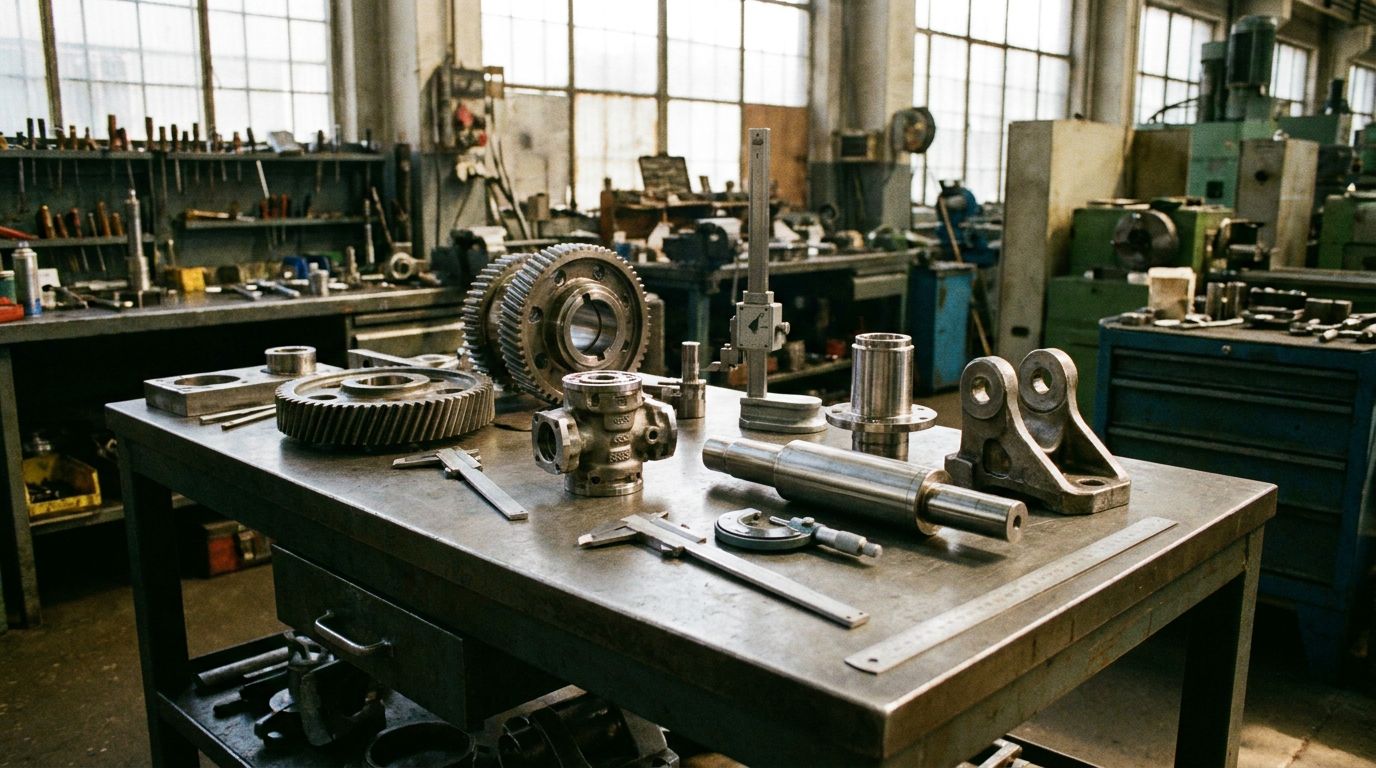
Choosing the Right Technology for a Metal 3D Printer
One of the most important points when buying a metal 3D printer is choosing the right technology. Metal printers operate using different technologies, and each technology is suitable for specific conditions.
Technologies such as LPBF, SLM, DMLS, and DED are among the well-known methods used in metal additive manufacturing.
The differences between these technologies can be seen in how the material is used, the energy source, the layer-building method, the achievable dimensions, and their applications.
For example, powder bed-based technologies are generally used to produce parts with complex geometries,
while DED technology can be used for producing larger parts as well as certain repair and restoration processes.
Therefore, before selecting a machine, it is better to evaluate the technology based on your project requirements.
Build Dimensions and Part Size
The build chamber dimensions are another important factor in this guide to buying a metal 3D printer.
If most of your parts are small, a machine with a limited build volume may meet your needs.
However, for producing large parts, choosing a machine with an appropriate build range becomes more important.
This issue is not limited to the size of the part. Sometimes, a large part can be divided into several sections and then assembled, but this is not always technically or economically suitable.
Materials and Alloys That Can Be Used
The type of material used in a metal 3D printer is directly related to the application of the part. Not all metal 3D printers are designed to work with every alloy, so it is necessary to determine which materials the selected machine is compatible with.
Steels, aluminum, titanium, and some engineering alloys are among the materials used in metal additive manufacturing.
However, material selection should be based on the operating conditions of the part, the required mechanical properties, and the manufacturing technology.
For example, a material used for a lightweight component is not necessarily a suitable choice for a part that must operate at high temperatures or under heavy mechanical loads.
Accuracy, Surface Quality, and Part Quality
Build accuracy is another important criterion when purchasing a machine, but it should not be evaluated on its own.
The final quality of a part depends on a combination of factors such as the technology used, process parameters, raw material, part design, build orientation, and post-processing operations.
In some applications, the surface of the part may require machining or additional finishing after printing. Therefore, if the parts are intended for direct use in an industrial system, it is better to consider the complete production process from the beginning.
Understanding the stages of producing a part with a metal 3D printer, from design and file preparation to manufacturing, post-processing, and quality control, provides a more accurate view of this process.
Production Speed and Production Volume
Printing speed is one of the specifications commonly considered when comparing machines, but higher speed does not always mean a more suitable choice.
If your production volume is low, factors such as accuracy, part quality, and machine flexibility may be more important.
In contrast, for continuous production and high quantities of parts, production capacity and build time become more important.
For this reason, you should determine your required production volume before purchasing. If your goal is to produce a few specific parts per month, the machine should be selected according to this production volume,
and if you have continuous industrial production, the machine’s capacity should be able to meet your production schedule.
How Should You Evaluate the Price of a Metal 3D Printer?
Price is one of the most important decision-making factors, but it is better not to focus only on the initial price of the machine.
The cost of purchasing a metal 3D printer can be affected by the manufacturing technology, machine dimensions, auxiliary equipment, control system, type of consumable material, and features related to preparation and post-processing.
On the other hand, costs related to raw materials, maintenance, training, repairs, and auxiliary equipment should also be included in economic calculations.
For example, two machines may have different initial prices, but their operating costs over several years may differ significantly.
Therefore, when evaluating the cost of a metal 3D printer, it is better to consider the cost of the entire process rather than using only the purchase price of the machine as the criterion.
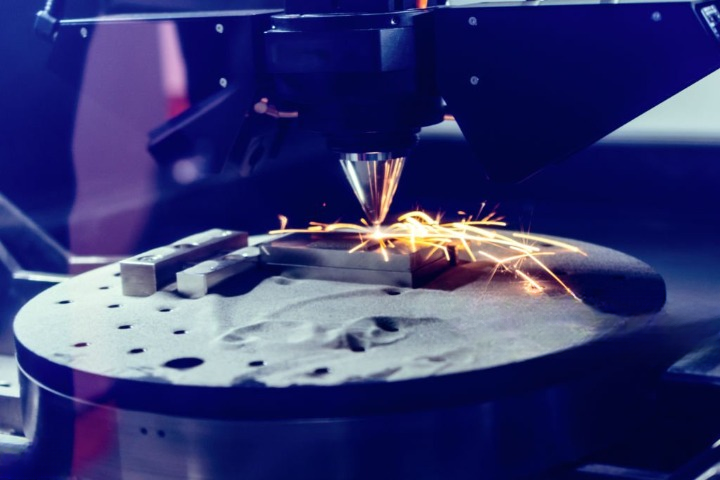
Buying a Machine or Using Metal 3D Printing Services?
Buying a machine is not always the only way to enter additive manufacturing. If you need only a small number of parts or your production volume is not yet clearly defined, using metal 3D printing services can be an option for getting started.
In contrast, if your company continuously needs to produce metal parts, delivery time is highly important, or you intend to develop your in-house production capabilities, purchasing a machine can be considered as part of your long-term plan.
For better decision-making, evaluate order volume, number of parts, production repeatability, external service costs, and the expected utilization of the machine together.
Support, Training, and After-Sales Services
A metal 3D printer is industrial equipment, and effective use of it does not end with purchasing the machine.
Operator training, installation and commissioning, supply of consumables, repairs, maintenance, and technical support can affect the long-term performance of the machine.
Therefore, when selecting a supplier, it is better to determine what services are provided after purchase and what the support process will be if a problem occurs.
This is particularly important for organizations that intend to use the machine in a continuous production process.
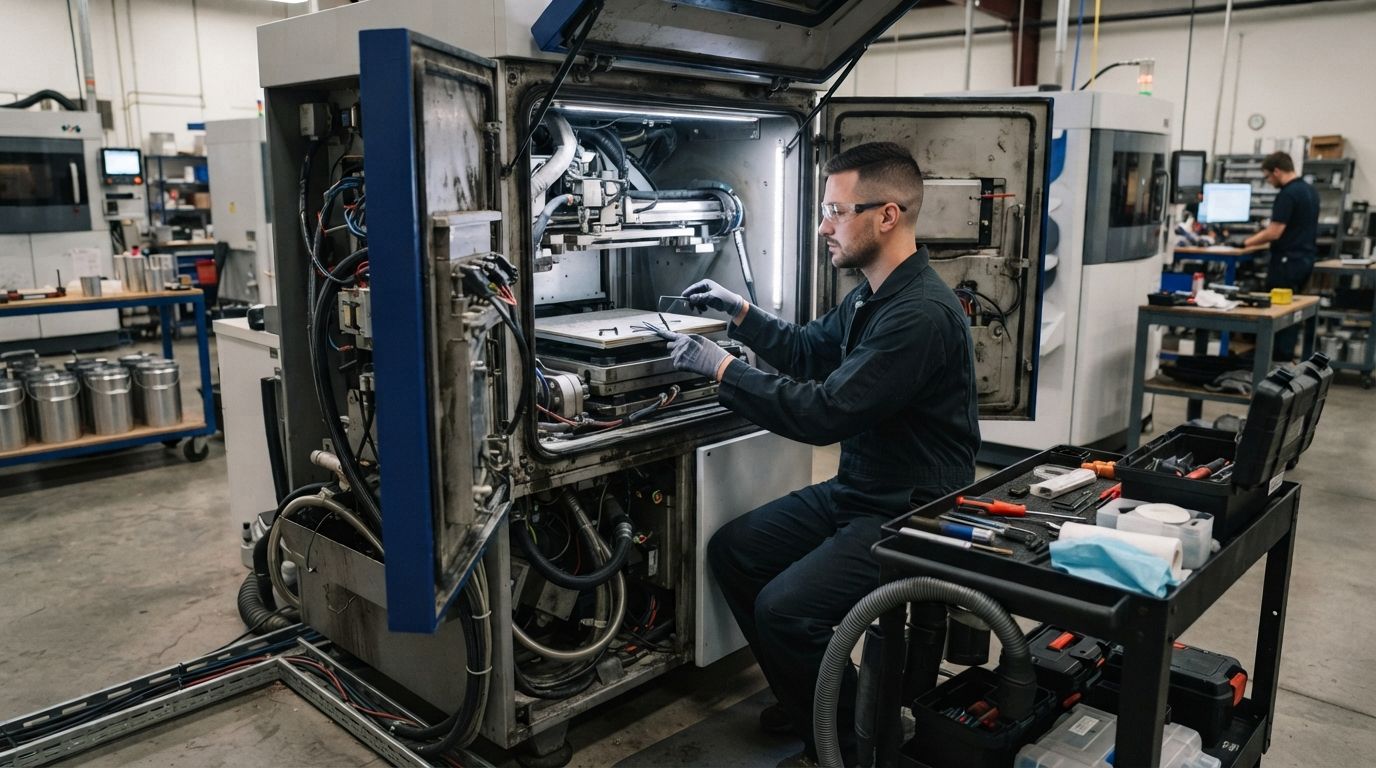
Comparison of Important Criteria Before Purchasing
To make machine selection easier for you, you can place the main criteria side by side in a table:
Criterion | Important consideration in selection |
|---|---|
Manufacturing technology | Suitable for the type of part and final application |
Build dimensions | Suitable for the largest required parts |
Usable materials | Compatible with the required alloys |
Accuracy and quality | Suitable for the part requirements |
Production speed | Suitable for production volume and quantity |
Cost | Includes purchase, materials, maintenance, and auxiliary equipment |
After-sales services | Training, installation, repair, and support |
Machine application | Production, prototyping, repair, or a combination of these |
Metal 3D Printers and Vandad Sanat Solutions
If your goal is to enter metal additive manufacturing and use industrial equipment in this field, the machine should be selected based on the type of part, material, production volume, and intended application.
Vandad Sanat operates in the field of additive manufacturing and equipment related to metal 3D printers, and its solutions are designed for producing metal parts in industrial applications.
By reviewing Vandad Sanat metal 3D printers, you can compare the specifications and capabilities of the equipment with your project requirements and make a more suitable choice for your production process.
Conclusion
When buying a metal 3D printer, it is better to determine your production needs before focusing on the price or apparent specifications of the machine. Manufacturing technology, build dimensions, usable materials, accuracy, speed, production volume, and after-sales services are among the most important factors that should be evaluated together.
If you determine the parts, production volume, and final application from the beginning, machine selection will also become more targeted, reducing the possibility of purchasing equipment that does not match your actual needs.
Frequently Asked Questions
1- Is every metal 3D printer suitable for producing all types of parts?
No. Manufacturing technology, machine dimensions, usable materials, and process characteristics can determine the application range of each machine. The machine should be selected based on the type of parts and production requirements.
2- What is the most important criterion when buying a metal 3D printer?
There is no single criterion for all projects. Manufacturing technology, part dimensions, material, production volume, required accuracy, and production cost should be evaluated according to the intended application.
3- Does a higher price for a metal 3D printer mean better performance?
Not necessarily. The price of a machine depends on various factors such as technology, build dimensions, equipment, and features. More important than the initial price is the machine’s suitability for the actual needs of the project.
4- Which type of metal 3D printer is suitable for producing large parts?
The choice of technology depends on the material, geometry, dimensions, and application of the part. In some large-scale projects, technologies such as DED are used because of their manufacturing method and their ability to produce or repair large parts.
5- Can metal 3D printing services be used before purchasing a machine?
Yes. Using part manufacturing services can help organizations evaluate their production needs, expected quality, and the economic feasibility of additive manufacturing before investing in a machine.
6- What does the maintenance cost of a metal 3D printer include?
Maintenance costs can include periodic servicing, consumable and spare parts, raw materials, repairs, calibration, and other equipment required for the process.
7- Is buying a metal 3D printer reasonable for low-volume production?
This depends on the number of parts, the value of the parts, production frequency, and the cost of using external services.
نظرات
0 نظر
دیدگاهی ثبت نشده.