Choosing a metal 3D printer is not based solely on looking at the machine name or a few technical specifications.
To understand a product, it is important to consider its capabilities, the type of production it is designed for, and how well its specifications match your project requirements.
In this section, we review products and equipment related to metal 3D printing from different perspectives to provide you with more practical information about each product.
What Should Be Considered When Reviewing a Metal 3D Printer?
Each machine has its own characteristics, and these differences can affect its applications. For this reason, product reviews are not limited to a general introduction to the machine.
Factors such as build dimensions, technology used, producible materials, accuracy, production speed, machine capabilities, and operating conditions can be important when evaluating a metal 3D printer.
Reviewing these specifications helps you understand the types of projects in which a machine can be used.
Technical Specifications Alongside Real World Applications
Technical specifications become more valuable when they can be related to actual production requirements.
For example, the build dimensions of a machine become important when you know the size of the parts you need to produce. The same applies to material type, accuracy, and production speed.
For this reason, the articles in this section aim to examine product features alongside their applications and real-world operating conditions rather than presenting machine specifications simply as a technical list.
Reviewing Machine Features and Capabilities
In addition to the main specifications, the features of a metal 3D printer can also be considered when evaluating equipment.
Process control, the systems used in the machine, capabilities for producing complex parts, and features designed to manage the manufacturing process are among the aspects that can be discussed when reviewing a product.
This information helps you develop a more complete understanding of the machine and how it can be used.
Reviewing a Product Based on Production Requirements
A product may be suitable for one type of project but may not be the right choice for a project with different requirements.
For this reason, a metal 3D printer should be reviewed alongside the actual production needs. The number of parts, their dimensions, material type, level of complexity, production volume, and final application can all play a role in this evaluation.
In this section, we aim to present product information in a way that helps you better understand the relationship between machine features and actual production requirements.
Better Understanding of Metal 3D Printing Products and Equipment
The content in this section can be useful when you want to learn more about a specific product or better understand the features of available equipment before selecting a machine.
By reviewing product specifications, capabilities, and potential applications, you can develop a clearer understanding of metal 3D printing equipment and have more relevant information when evaluating different options.
Vandad Sanat Metal 3D Printers
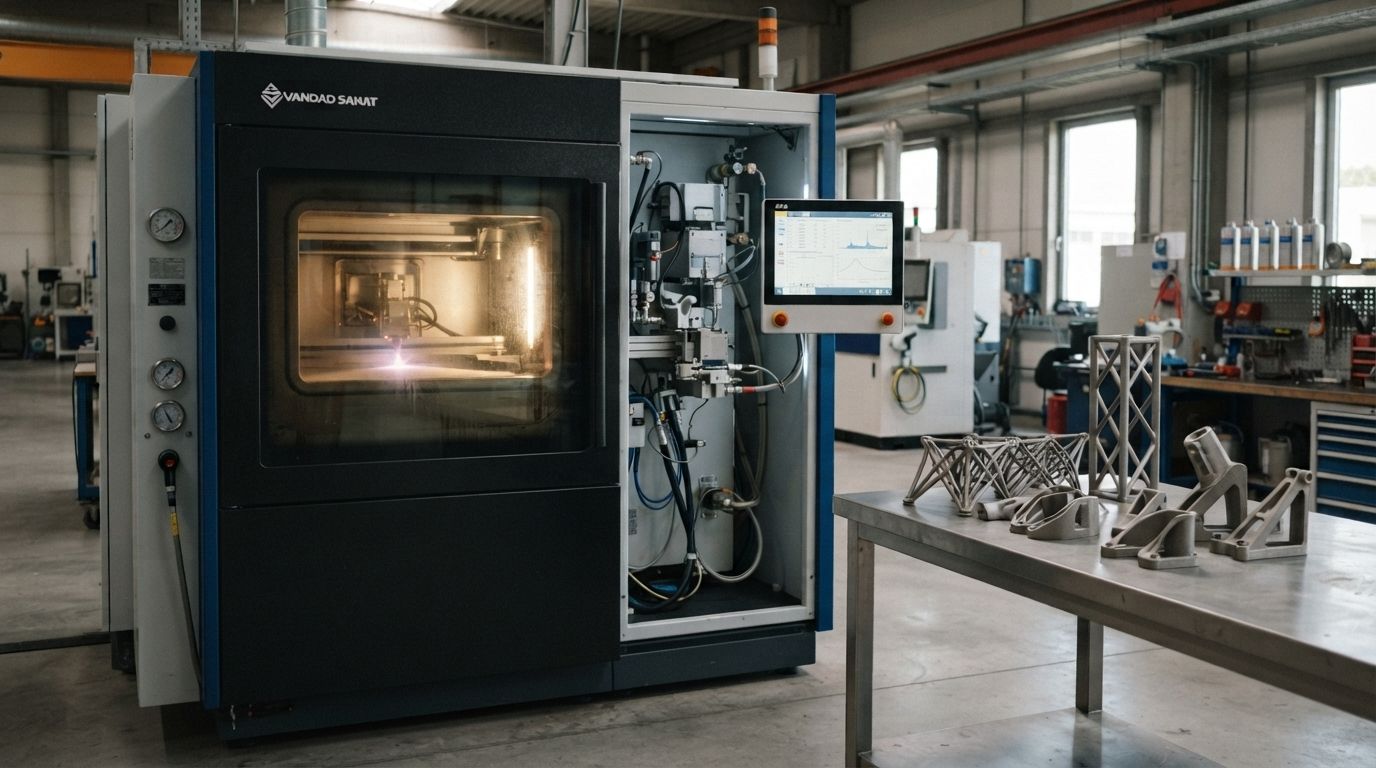
Vandad Sanat operates in the field of additive manufacturing equipment and metal part production. If you want to review the specifications and capabilities of a metal 3D printer, you can explore the products offered by this company and evaluate their features based on your project requirements.
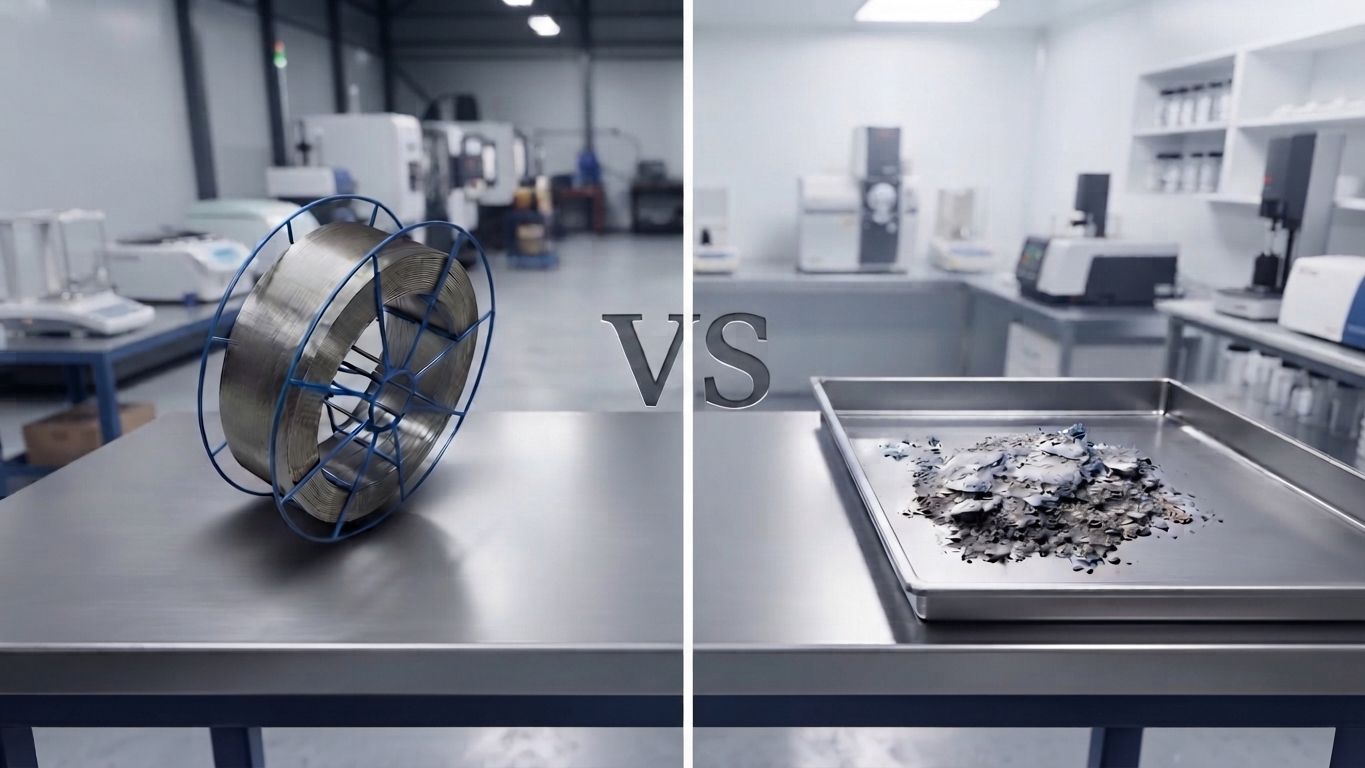
Wire DED and Powder DED are two approaches to DED, for metal additive manufacturing.
This article compares wire and powder as feedstock materials in the DED process.
Cost, material consumption, appl...
3D Printable Metals include steel, aluminum, titanium, Inconel, cobalt-chrome, and copper. This article explores the properties and applications of each metal....
Metal 3D printer technology is transforming industrial manufacturing by enabling the production of highly complex components. This comprehensive guide covers the step-by-step workflow of metal printin...
Exploring the application of 3D metal printers in the energy industry; from producing complex power plant components to reducing costs and increasing efficiency. A comprehensive article on new manufac...
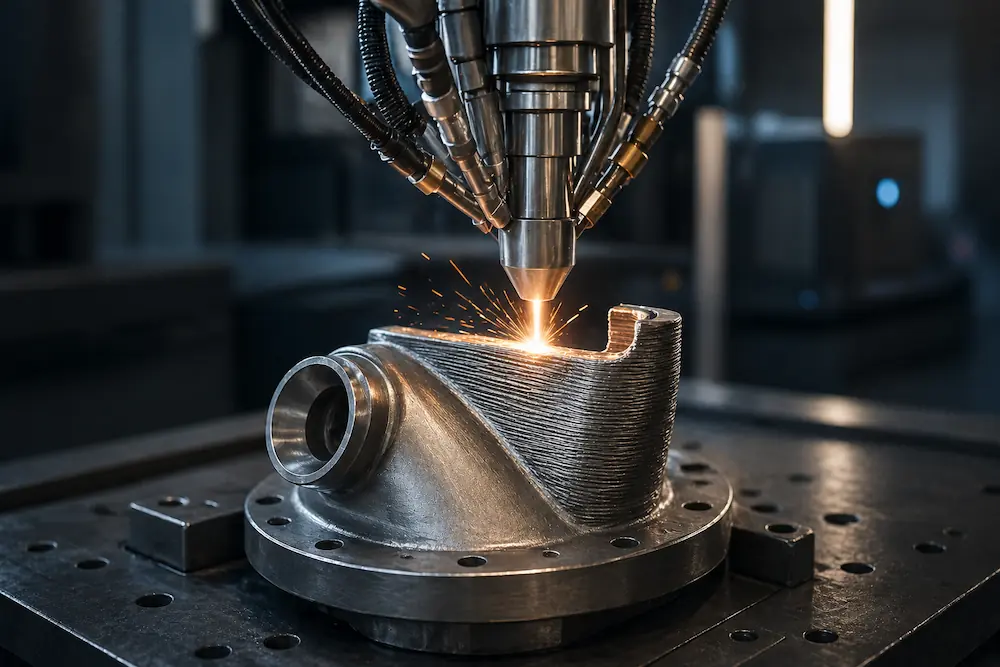
Applications of metal 3D printing using DED technology across various industries, including aerospace, automotive, energy, and medical sectors, highlighting its advantages in advanced manufacturing an...
The article reviews and compares DED additive manufacturing technology with traditional manufacturing methods in the industry and analyzes their differences in terms of manufacturing speed, part quali...
Metal 3D printing in industrial parts manufacturing is transforming production processes by enabling the creation of complex components with high precision, reducing material waste, saving time, and i...
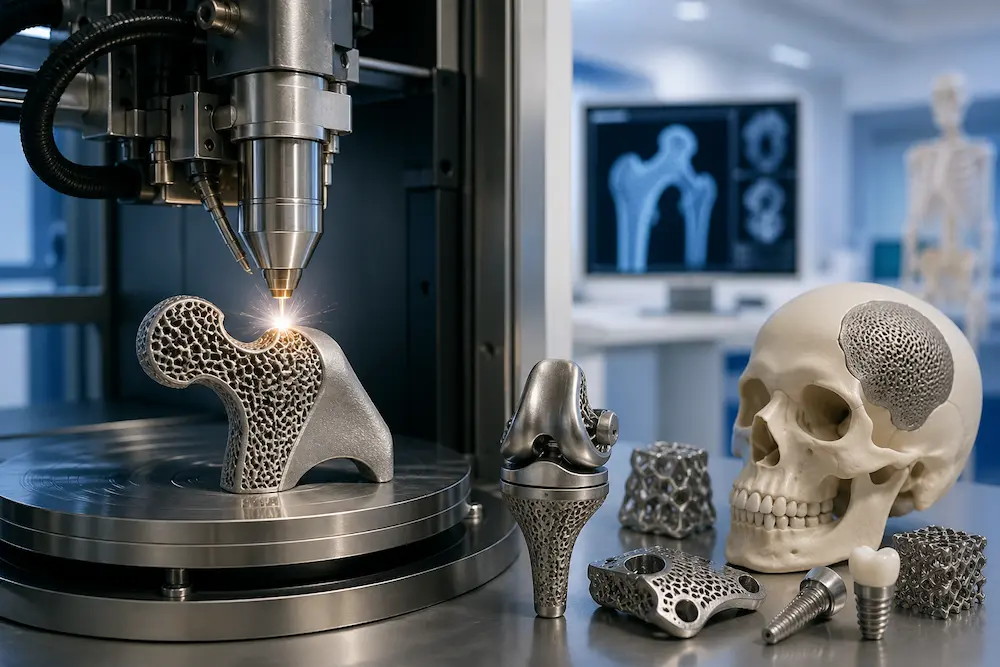
Application of metal 3D printing with DED technology in medicine and bioengineering to manufacture custom implants, precision surgical instruments, reduce treatment time, and increase the quality of m...